
Brazil’s Lula Says Would Tell Trump Tariffs Were ‘Mistake’
In 2025, the US imposed tariffs on Brazilian products, as did many other countries, to level the playing field in trade. The move was part of Trump’s broader “reciprocal trade” strategy targeting the countries with large trade surpluses against the United States.
Initially, Brazil faced a 5% tariff, which was much lower than those in the United Arab Emirates and China. However, later, it faced a 50% tariff on select exports. The industry was hit by this tariff, mainly ethanol, soybeans, and steel. The move was widely described as “overtly political” because Brazil has growing ties with China. The tariff was to pressure Brazilian industrial policy and political relations.
Both Leaders Could Meet in Malaysia
Brazilian diplomatic sources confirm it via Reuters that “President Luiz Inacio Lula da Silva and U.S. President Donald Trump will join in Malaysia in the coming days… as the countries navigate hefty tariffs imposed by Washington.”
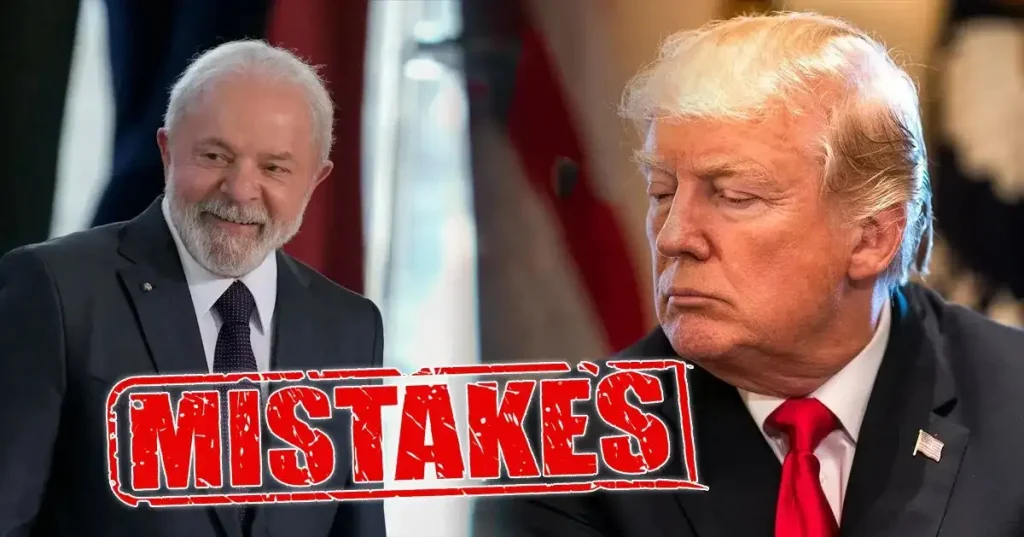
The Brazilian president stated that “I would tell President Trump that the tariffs on Brazil were a mistake.”
According to white house officials, “Donald Trump is interested in meeting Brazil’s Luiz Inacio Lula da Silva… while the pair are in Malaysia for the Association of Southeast Asian Nations.”
A Brazilian official emphasized trade goals, saying, “Lula asked the US to bring the 50% tariff rate imposed on his country down to 10%.”
Trade Tensions and Diplomatic Stakes
After the US imposed heavy tariffs on Brazil, the country’s export momentum was disrupted. The move also strained the bilateral relations and respect between the countries. The president of Brazil criticised the move, saying it’s just a mistake, and that he’s now going to raise it directly with Trump.
Brazilian officials say the penalties severely harmed the economy, and rather than being apart from China, they’re pushing Brazil further into China’s trade orbit. This meeting will set a hallmark between both countries’ trade and political relations. Brazile will either get complete relief or at least a renegotiation of the imposed tariffs.
Besides tariffs, the meeting could also touch on regional security issues, and possible measures could be taken. Similarly, it can highlight political alliances, rising powers, and mutual interests. They may also discuss climate cooperation measures alongside trade and supply chain resilience-building.