
Why 2026 Could Be a Tough Year for Oil, Gas, and Global Supply Chains
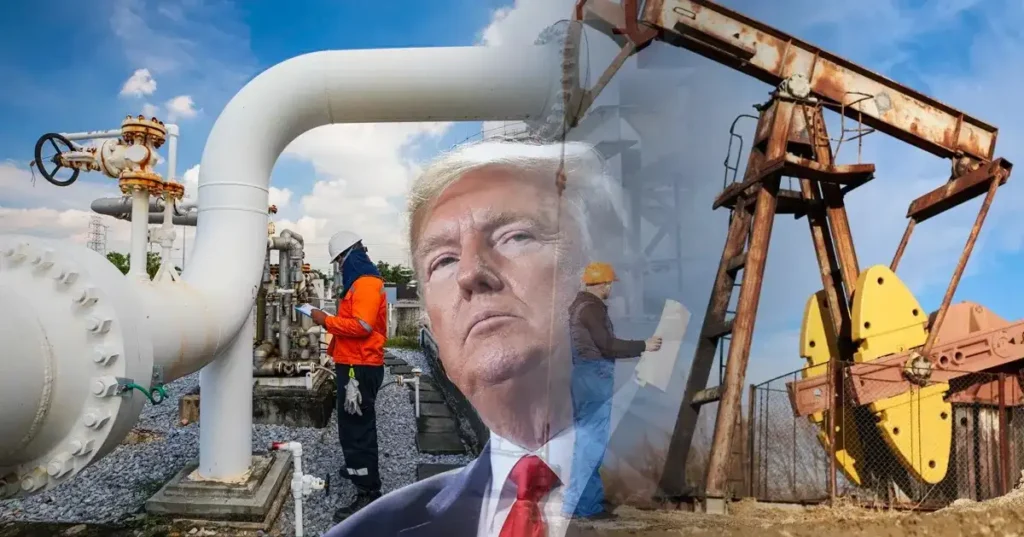
The U.S raised tariffs on imports, especially aluminium, steel, crude feedstocks, and copper, up to 50%. The aim was to boost domestic sales and reduce imports. U.S. tariff-affected materials are essential for multiple high-stakes applications, including oil country tubular goods, drilling rigs, and valves.
According to the Deloitte forecast report, “U.S. tariffs on these components and other key input materials, including steel, aluminum, and copper, could increase material and service costs across the value chain by 4% to 40%, potentially compressing industry margins.”
As the US restores industrial capacity, it will impose tariffs on all key suppliers, including China, South Korea, Canada, the UAE, and many others. This will impact both US and global trade, and will also raise prices across all regions.
Ripple Effects: From Oil Rigs to Global Supply Chains
In 2025, uncertainty across trade, economies, the global market, and political relations rose compared to the past. From the crypto market to gold and all other metals, there are constant fluctuations, and the credit goes to major global political events happening this year.
Despite major breakthroughs such as the Israel-Gaza peace deal and the US-China meeting, it is expected that uncertainty will rise. Fluctuations in any significant sector ripple through many others, driving cost inflation and financial downturns. According to some estimates, over $50 billion in offshore and greenfield energy projects may be delayed. They may be completed in 2026 or even later.
Similarly, financial investment decisions are also being postponed. The rising cost absorption is quite challenging for operators. They are now developing innovative strategies to address the issue. However, it will take time to find alternatives or improve the existing structure and system. That’s why projects are expected to be delayed further.
Multiple sectors are now relying on EY modeling, which suggests a modest sector-wide impact. However, the model also warns that all industries should revise their production standards and methods. It also suggests that investment plans should be more calculated and comprehensive. All global companies are now shifting to sustainable models rather than the previous lowest-cost sourcing.
Beyond Borders: Who Else Is Feeling the Heat?
This huge tariff is escalating trade tensions. The US and China are now engaged in retaliatory measures, imposing heavy-duty tariffs on each other.
On the other hand, ASEAN countries and the European Union are seeking complete exemptions from the trade tensions. They are also seeking trade relief to protect their domestic industries and exports. Manufacturers, especially in energy, automotive, and construction, are facing delays because of disrupted material supply. They are also experiencing cost hikes, burdening their domestic manufacturing and supply as well.
Companies are now more focused on nearshoring and friendshoring trends. They are seeking the most stable regions, avoiding political infringements to grow their business at a smoother pace. According to the EY briefing, “OPEC+ output decisions and economic uncertainty are expected to dampen investment prospects, leading companies to revise their strategic plans.”